
Freestanding Bathtubs: Pros, Cons & Costs
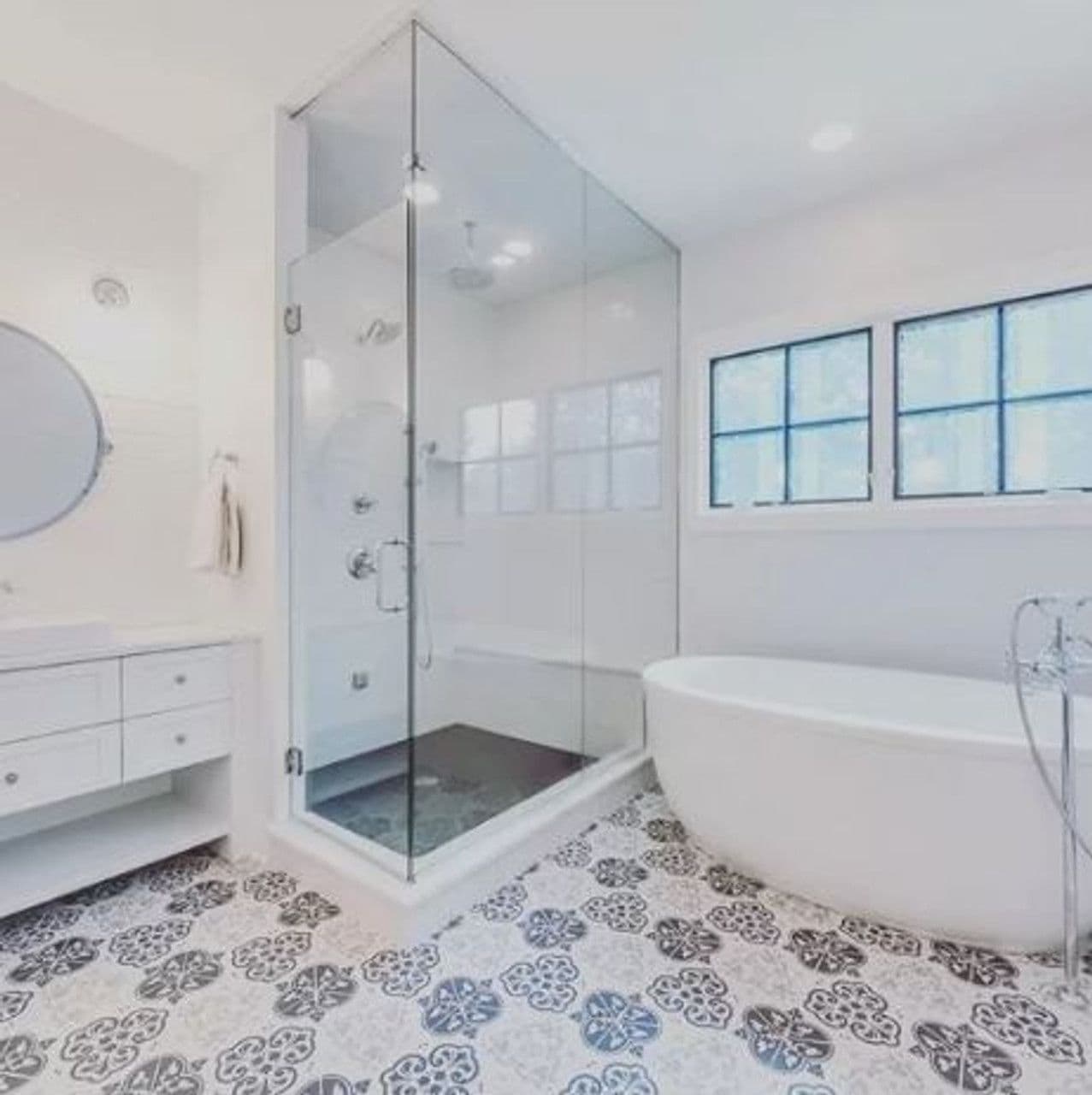
So, you're planning a bathroom remodel and you're not sure what to do with the bath. Do you go with the standard tub and shower combo, a walk in shower or a freestanding bathtub? If you’ve been looking at bathroom ideas, you’ve probably noticed how often freestanding tubs show up. Freestanding bathtubs are becoming trendy.
They’ve become one of the most searched and requested features in modern bathrooms due to their unique look and the luxury experience they create.
But before you decide to install one, it’s worth understanding where they work best, what to look for, and how they fit into a full bathroom remodel.
What Is a Freestanding Bathtub?
A freestanding bathtub is a tub that stands on its own rather than being built into a wall or alcove.
Unlike traditional tubs, these are finished on all sides and designed to be visible from every angle. That’s why they’re often placed where they can act as a centerpiece in the room.
You’ll typically see freestanding tubs:
Centered in the bathroom
Placed near a window
Positioned as a focal point in larger bathrooms
Quick Answer: Are Freestanding Tubs Worth It?
If you’re weighing options:
- Yes, if you want a modern look and a more relaxing bathing experience
- No, if you’re tight on space or need a highly practical, everyday solution
They’re best suited for homeowners who want both function, luxury and design—not just one or the other.
What to Look for in a Freestanding Tub
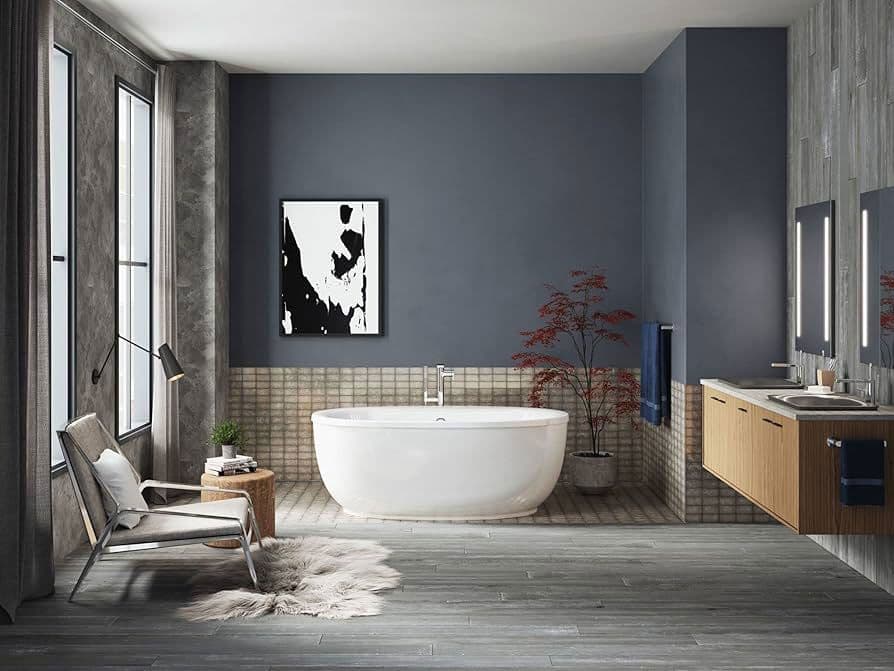
Not all freestanding tubs are created equal. Choosing the right one comes down to a few key factors.
1. Size and Bathroom Layout
Freestanding tubs take up more visual and physical space than built-in tubs.
If your bathroom is small or narrow, the tub can feel oversized and make the room less functional. In larger bathrooms, though, it can help define the space and create a more open feel.
2. Material and Heat Retention
The material you choose affects both durability and comfort.
Common options include:
- Acrylic freestanding tubs – Lightweight, affordable, and good at retaining heat
- Cast iron tubs – Extremely durable but heavier and more expensive
- Composite tubs – Modern look with a solid, high-end feel
Many homeowners choose materials that complement the rest of their bathroom. for example if you have a sleek modern aesthetic with a walk-in shower with acrylic panels you may want to pair an acrylic or acrylic coated cast iron tub with it. If you have a tile or Purostone in your bathroom composite may be the way to go.
3. Comfort and Soaking Experience

Freestanding tubs are often chosen for long relaxing soaks to wash away the day's stress, so comfort is key. Before choosing your tub consider:
Soaking depth - Deeper tubs mean you can soak your whole body at once without knees poking out and getting cold.
Ergonomic interior shape - You're not just here to bathe, your here to unwind, make sure your not cramped or sitting awkwardly.
Sloped back support - You want to relax your back in warm water not add aches and pains. Make sure you can sit without having to support yourself with your arms or back while soaking.
If you plan to use it regularly, these details matter more than the exterior design.
4. Plumbing and Faucet Setup
Freestanding tubs often require:
- Floor-mounted faucets
- Wall-mounted fixtures
- Adjusted drain placement
If you’re replacing a traditional tub, plumbing updates are often part of the process.
Where Freestanding Tubs Work Best
Freestanding tubs aren’t ideal for every layout, but in the right space, they can completely transform a bathroom.
Larger Bathrooms
They need space around them to feel intentional rather than crowded.
Bathrooms with Separate Showers
Many homeowners combine a freestanding tub with a dedicated walk-in shower area.
This gives you:
- A practical shower for daily use
- A separate bath for relaxation
Open or Natural Light Layouts
Placing a tub near a window enhances the experience and makes the space feel more open.
When They Don’t Work Well
Freestanding tubs may not be the best fit if:
- Your bathroom is small or narrow
- You rely heavily on a tub/shower combo
- You need maximum functionality over design
Removing Your Existing Tub or Shower
Installing a freestanding tub usually means removing your current setup.
This process can include:
- Demolition of the existing tub or shower
- Plumbing updates
- Floor and wall adjustments
In many cases, homeowners use this as an opportunity to upgrade the rest of the bathroom by installing a modern shower system.
Freestanding Tub Installation: What to Expect
Because freestanding tubs are exposed on all sides, installation requires careful planning.
Key considerations include:
- Proper drain alignment
- Floor support (especially for heavier tubs)
- Faucet placement and accessibility
This isn’t just about placement, it’s about making sure everything functions smoothly long-term.
How to Design Around a Freestanding Tub
A freestanding tub isn’t just a fixture, it becomes part of your overall design.
1. Let It Be the Focal Point
Freestanding tubs naturally draw attention. Keeping the surrounding space clean and uncluttered helps highlight the design.
2. Match Materials for a Cohesive Look
Pairing your tub with complementary finishes like stone wall systems or acrylic surfaces creates a more unified bathroom design.
3. Add Comfort Without Clutter
Simple additions like:
Soft lighting
Minimal shelving
Neutral textures
can enhance the space without overwhelming it.
4. Keep It Functional
Even with a design-focused feature, the space still needs to work for everyday use.
Make sure you have:
- Easy access to towels
- Enough clearance around the tub
- A layout that supports your routine
What Does a Freestanding Bathtub Cost?
The cost of a freestanding bathtub can vary widely depending on your space and how much needs to change. So we're not going to nail down a specific dollar amount- instead let's highlight the factors that go into potential costs.
The main factors are:
- Tub
- Installation
- Plumbing
The biggest factor is usually plumbing. Freestanding tubs often require moving water lines and drains into the floor,especially if you’re replacing a traditional tub or converting from a shower.
Other factors that can contribute to cost:
- Flooring - a deep cast iron tub full of water is very heavy in some cases reinforcing a floor may be necessary.
- Delivery - if you're not getting a tub from the company installing or doing the renovation, you could be looking at a hefty delivery fee.
- Layout changes, faucet style, and material choice can also affect the final cost.
Final Thoughts
Freestanding bathtubs are one of the most impactful upgrades you can make in a bathroom, but they work best when they’re part of a well-planned layout.
If you have the space and want to create a more open, relaxing environment, they’re a strong option.
If your priority is efficiency and daily use, a more traditional setup may still make more sense.
Either way, the key is choosing what fits your space and how you actually use it.
Pumpkin Spice & Savings So Nice!
Up to $1500 Off during October!
View all our offers here.
* see below for offer details