
Bathroom Safety for Seniors: A Complete Aging in Place Guide

Part 2: “Bathing is Becoming Difficult and Risky” - What you can Do
At some point, many families notice that bathing itself—not just getting into the tub or shower—starts to become difficult.
It might show up in small ways at first. Shorter showers. A little hesitation to bathe. That’s how it started in our situation too. It became clear that standing comfortably and safely through a full shower was becoming a challenge.
The good news is that there are practical, effective ways to make bathroom spaces safer for seniors aging in place without making it feel clinical or uncomfortable.
When Standing in the Shower Isn’t Enough
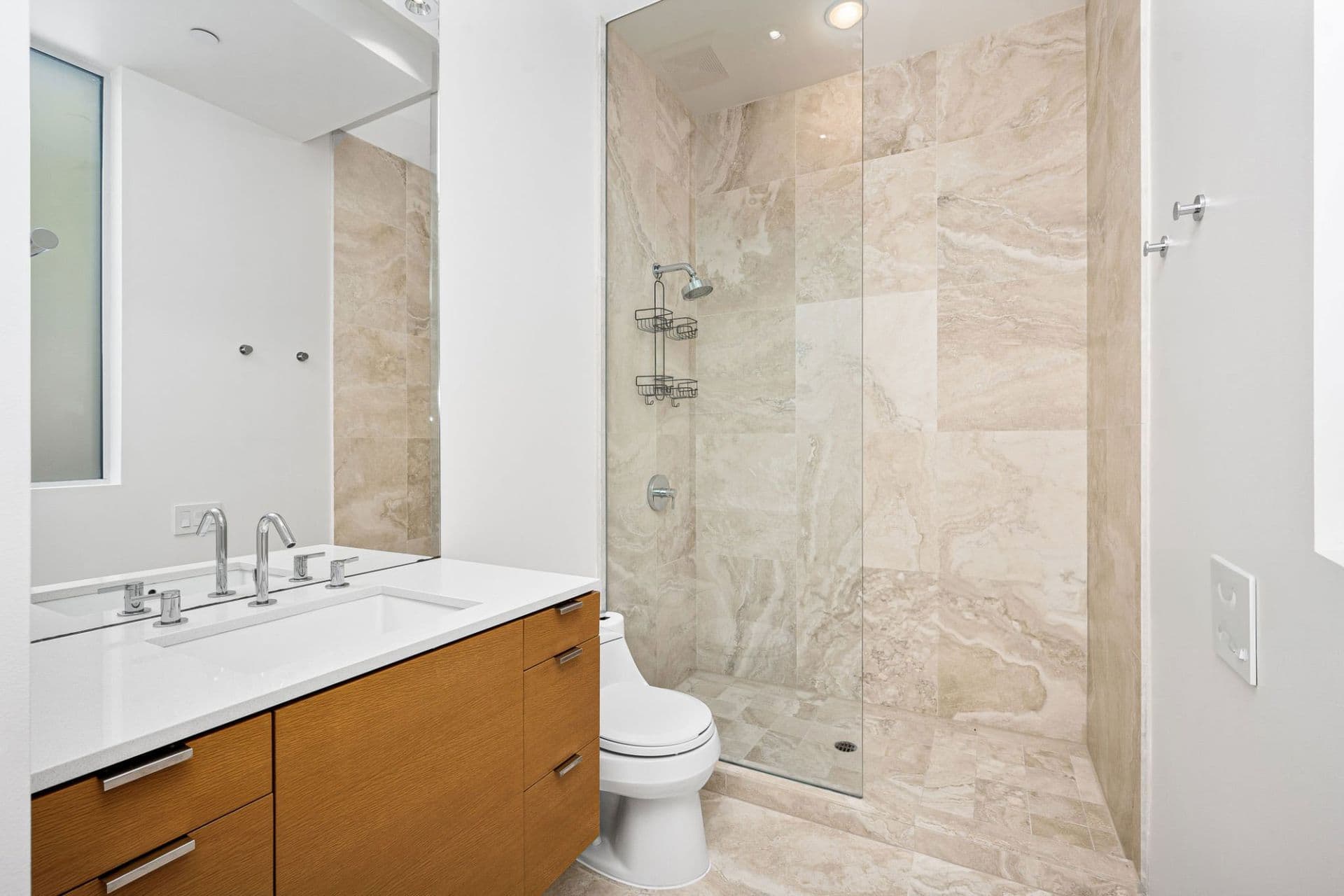
Even with a safer entry point like a walk-in shower, standing on a wet surface can still be physically demanding.
Balance, strength, and endurance all play a role. For seniors dealing with fatigue, joint pain, or neurological conditions, even simple movements—turning, reaching, shifting weight—can increase fall risk.
In our case, we realized that while access was important for our parent's disabilities, their lack of strength and balance was starting to make showering difficult again. We were going to need another solution soon.
A Different Approach: Walk-In Bathtubs
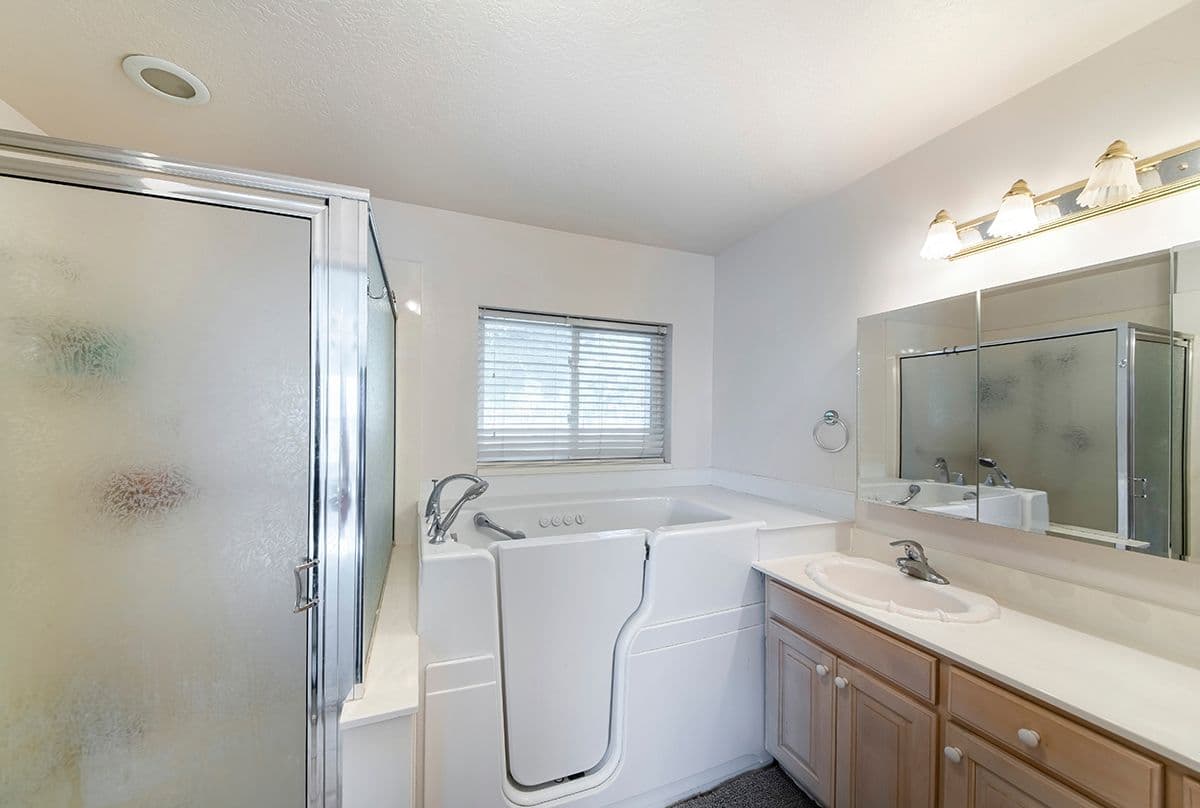
For seniors who need more support—or simply want a more comfortable bathing experience—a walk-in bathtub for seniors can be a great solution.
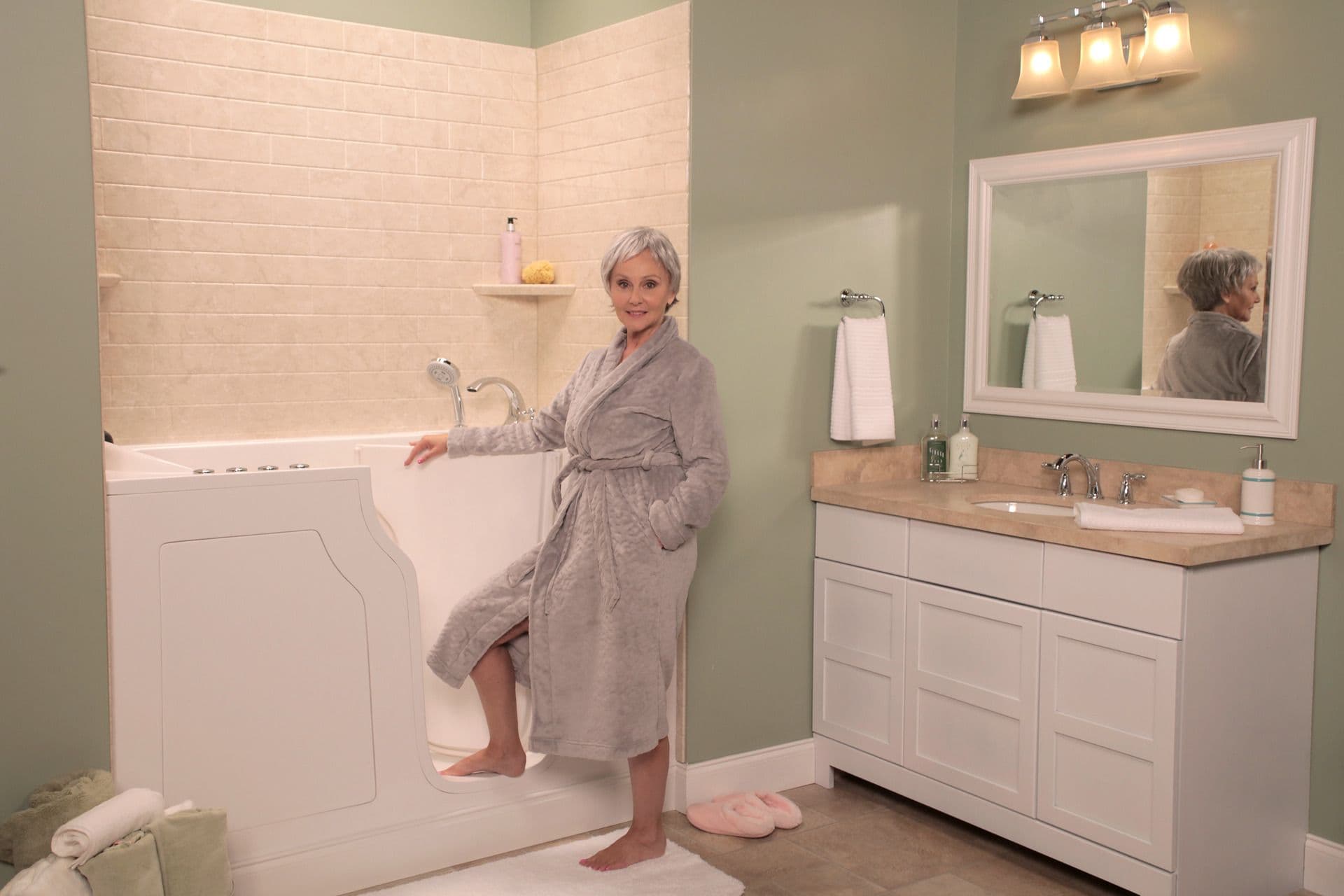
Instead of standing, a walk-in tub allows your loved one to sit securely while bathing. But what is a walk-in bathtub? Imagine a door right in the side of a high walled bathtub that can easily be opened like a car door. The low-entry door removes the need to climb over a high wall, and once inside, there are generally contoured sitting areas that are easy to slide right into. The entire experience is designed to feel stable and controlled.
What stood out to me when we explored this option was how much it reduced my parent's stress during bathing. You’re not balancing, not worrying about slipping—you’re sitting comfortably with everything within reach.
Beyond Safety: Real Health Benefits
One of the great things we discovered while investigating walk-in bathtubs was that they have a lot of physical benefits you can't get from just a shower.
Relief for Arthritis and Joint Pain
My father suffered from terrible arthritis in his hands, wrists and back. So warm water immersion, which has been shown to help reduce joint stiffness and inflammation, was a great benefit for us.
Improved Circulation
My mother meanwhile suffered from neuropathy and poor leg circulation, but soaking in warm water helps promote better circulation, which helper her quite a bit
The heat increases blood flow to inflamed areas, which can help relax muscles and reduce discomfort. For seniors who struggle with daily aches and pains, this can make a noticeable difference.
Support for Parkinson’s and Mobility Conditions
For individuals living with Parkinson’s disease or similar conditions, stability is everything. My father suffered from CMT - a pro0gressive nerve disorder similar to MS. And as a result he was losing, feeling, muscle and control in his legs in particular. We watched him go from walking unaided to a walker to a wheelchair in rapid succession. So a walk-in tub was essential. He went from washing with a wash cloth in a kitchen chair to a full fledged bath.
Standing in a shower can feel unpredictable, but a seated bathing experience removes much of that uncertainty. The ability to sit securely can make bathing feel manageable again instead of stressful.
The Role of Hydrotherapy
Many walk-in bathtubs include hydrotherapy jets, which can provide additional relief.
These jets gently circulate water around the body, helping to:
- Stimulate blood flow
- Reduce muscle tension
- Support recovery after physical strain
In our experience, the difference was noticeable. What used to feel like a routine task started to feel more like a chance to relax. That shift—from stressful to calming—can have a big impact on overall well-being. My mother in particular was a big fan of the walk-in bathtub jets for dealing with muscle aches.
Making Bathing Easier for Caregivers
Another important factor that often gets overlooked is the role of a caregiver.
If a family member or professional caregiver is helping with bathing, a walk-in tub can make the process much more manageable.
Instead of supporting someone who is standing on a slippery surface, or having to reach into a shower, caregivers can assist someone who is safely seated. This reduces strain for both people and makes the entire process feel more controlled and less rushed.
Small Changes That Still Matter
While the tub itself plays a big role, the surrounding bathroom setup is just as important.
Toilet Height
We found that adjusting the toilet height made a bigger difference than expected. A comfort-height toilet makes sitting and standing easier and reduces strain on the knees and legs.
We also added bars on either side of the toilet to aide with getting on and off, but the comfort-height toilet made the biggest impact.
A More Comfortable, Confident Routine
One of the biggest shifts we noticed was how much more relaxed things felt once the right setup was in place.
Bathing didn’t feel rushed or stressful anymore. It became something that could be done safely, comfortably, and with a sense of control.
That’s really the goal with any aging in place bathroom upgrade—not just preventing accidents, but helping daily routines feel manageable again.
Recognizing When It’s Time to Make a Change
If you’re starting to notice signs like hesitation, fatigue, or changes in bathing habits, it’s usually a signal that something needs to be adjusted. You don’t have to wait for a fall or a close call. Sometimes the best approach is to make thoughtful changes early—before things become urgent.
Pumpkin Spice & Savings So Nice!
Up to $1500 Off during October!
View all our offers here.
* see below for offer details